

How to Prepare for a Home Appraisal in Colorado for Maximum Valuation: A Homeowner’s Guide
The home appraisal is one of the most nerve-wracking hurdles in selling or refinancing a home. The final number an appraiser assigns to your property can make or break your deal, influencing everything from the final sale price to the terms of your home equity line of credit. It’s a moment where you feel a loss of control, waiting for a stranger to determine the value of your largest asset.

At colspringshomes.com, we’ve guided countless Colorado homeowners through this exact process. We understand that while you can’t control the housing market or the specific comparable sales in your neighborhood, you absolutely can control your home’s presentation to ensure the appraiser sees its true, maximum value. Your preparation can and will make a difference.
This comprehensive guide will provide you with a step-by-step action plan, tailored for Colorado homeowners, to prepare for your appraisal and secure the highest possible valuation.
Key Takeaways
- First Impressions Matter: Curb appeal and a clean, decluttered interior significantly influence an appraiser’s perception of your home’s maintenance and value.
- Documentation is Crucial: Create a “brag sheet” detailing all upgrades, repairs, and improvements with dates and costs. This provides the appraiser with concrete data to support a higher valuation.
- Minor Repairs Yield Major Returns: Fixing small issues like leaky faucets, broken light fixtures, and sticky doors demonstrates pride of ownership and a well-maintained property.
- Know Your Colorado-Specifics: Factors like fire mitigation, energy-efficient windows, and the condition of your roof after a hail season can directly impact your appraisal in Colorado.
- An Expert Agent is Your Ally: A knowledgeable real estate agent can provide the appraiser with relevant comparable sales and help you navigate the process if the valuation comes in low.
TL;DR
To maximize your Colorado home appraisal value, focus on deep cleaning, decluttering, and completing minor repairs. Boost curb appeal with simple landscaping and exterior touch-ups. Most importantly, compile a detailed list of all home improvements and upgrades to give directly to the appraiser.
Part 1: Understanding the Home Appraisal in Colorado
Before you can prepare, you need to understand the players and the purpose of the game. The appraisal isn’t just a formality; it’s a critical component of the real estate transaction process.
What is a Home Appraisal and Why Does it Matter?
A home appraisal is an unbiased, professional opinion of a home’s market value. It’s conducted by a licensed and certified appraiser who evaluates the property based on its condition, features, size, and comparison to similar, recently sold properties in the area.
For a lender, the appraisal is a crucial risk management tool.

- In a Home Sale: The lender needs to confirm that the property is worth at least the amount they are lending the buyer. This protects their investment in case the borrower defaults on the loan.
- In a Refinance: The appraisal determines the home’s current market value, which in turn establishes the homeowner’s equity. This equity figure is the basis for cash-out refinances or home equity lines of credit (HELOCs).
The Appraiser’s Role: An Impartial Third Party
It’s essential to understand that the appraiser is not working for you or the buyer. They are an independent third party hired by the lender to provide an objective valuation. Their process is highly standardized, often using the Uniform Residential Appraisal Report (URAR), to ensure fairness and consistency. Their goal is to find the most accurate market value based on hard data, not to help or hinder the sale.
Appraisal vs. Home Inspection: Knowing the Critical Difference
Homeowners often confuse an appraisal with a home inspection, but they serve two very different purposes. Understanding this distinction is key to your preparation.
| Feature | Home Appraisal | Home Inspection |
|---|---|---|
| Primary Focus | Value | Condition |
| Who it’s for | The Lender | The Buyer |
| Purpose | To determine the property’s market value for loan purposes. | To identify potential defects and the condition of the home’s systems. |
| Process | Measures the home, notes features, assesses overall condition, and compares to recent sales (“comps”). | A deep, non-invasive examination of HVAC, plumbing, electrical, roof, foundation, and appliances. |
| Outcome | A valuation report with a specific dollar amount. | A detailed report listing defects, necessary repairs, and system lifespans. |
Part 2: The Colorado Appraiser’s Checklist: What They Really Look For
An appraiser methodically works through your property, taking notes and photos. Here’s a breakdown of what’s on their checklist, with a special focus on factors unique to our beautiful state of Colorado.
Exterior Condition and Curb Appeal
The appraiser’s evaluation begins the moment they pull up to your home.
- The First Impression: They’ll note the condition of your landscaping, the state of the exterior paint or siding, and the functionality of gutters and downspouts.
- Structural Elements: In a state known for its intense weather, the roof is a major point of interest. An appraiser will note its age and condition, looking for signs of damage from hail or wind. They’ll also assess the foundation, windows, decks, patios, and any outbuildings.
Interior Features and Flow
Once inside, the appraiser is looking at the home’s overall livability and functional utility.
- Layout and Space: They will measure the home to verify its gross living area (square footage) and assess the floor plan’s functionality.
- Key Rooms: The number of bedrooms and bathrooms is a primary value driver. Their condition, including fixtures and finishes, will be carefully noted.
- General Condition: The state of the floors, walls, and ceilings gives a strong impression of the home’s overall maintenance.
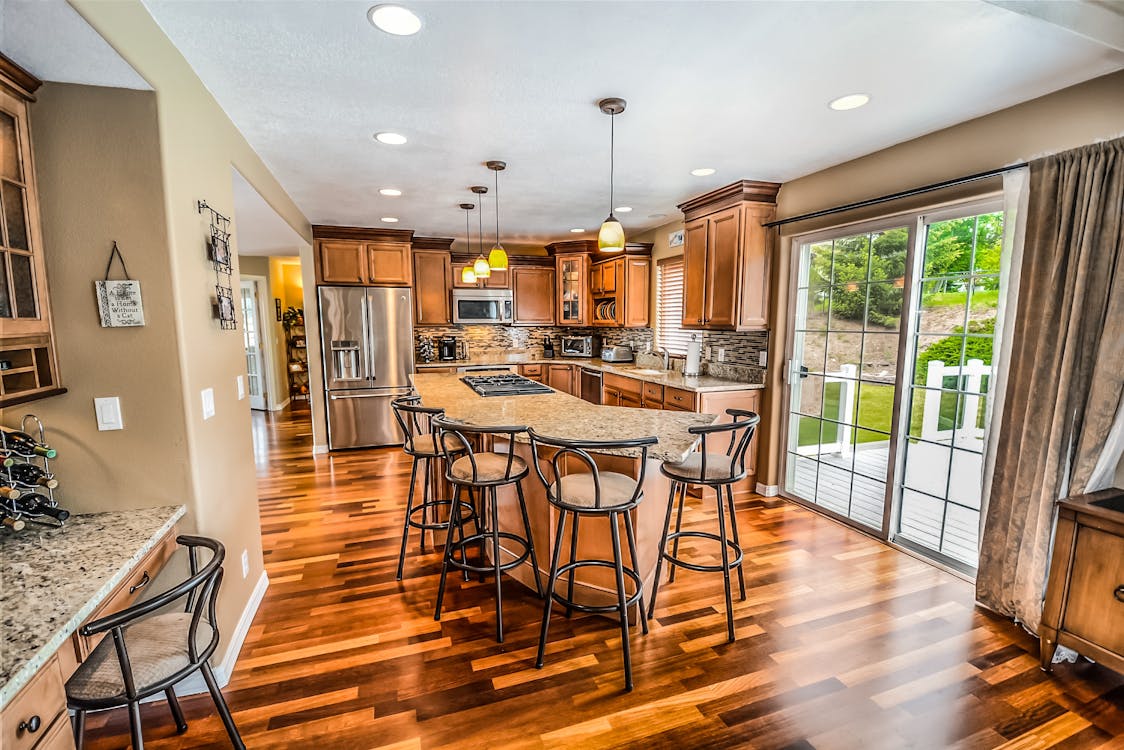
- Kitchen and Baths: These are high-value areas. The age and condition of cabinets, countertops, fixtures, and appliances are significant factors.
Home Systems and Major Components
While not as in-depth as an inspection, the appraiser must assess the age and working condition of your home’s major systems. This includes the HVAC (heating and air conditioning), plumbing, and electrical systems. An outdated furnace or a visibly leaking water heater will be noted and can negatively impact the valuation. Improving these systems is one of the key ways to maximize your home’s equity before a sale or refinance.
Unique Colorado Considerations
Living in Colorado presents unique challenges and opportunities that a good appraiser will recognize.
- Energy Efficiency: With our cold winters and sunny summers, energy-efficient upgrades carry significant weight. Double- or triple-pane windows, modern insulation, and high-efficiency heating systems are valuable features.
- Outdoor Living: Coloradans love the outdoors, and a well-maintained deck, a flagstone patio with a fire pit, or professional xeriscaping (low-water landscaping) can add real, appraisable value.
- Location-Specific Factors: If you live in the foothills or mountain communities, evidence of fire mitigation (cleared brush, defensible space) is a major plus. In many areas, a radon mitigation system is a standard and expected feature. The condition of a driveway after years of freeze-thaw cycles is also considered.
Part 3: Your Pre-Appraisal Action Plan: 5 Steps to Maximum Valuation
Now that you know what they’re looking for, it’s time to get to work. These five steps are your roadmap to a successful appraisal.
Step 1: Deep Clean and Declutter Like a Pro
A clean, organized home sends a powerful subconscious message to the appraiser: this property is well-maintained and cared for. A cluttered, dirty space can imply neglect, which may cause them to look more critically for other issues.
- Action Items: Professionally clean carpets. Wash windows inside and out. Wipe down baseboards, light fixtures, and ceiling fans. Clear off all kitchen and bathroom countertops. Organize closets to show off their full storage capacity.
Step 2: Tackle the “Honey-Do” List of Minor Repairs
That dripping faucet or cracked light switch cover you’ve been ignoring? An appraiser will see it as a sign of deferred maintenance. A collection of small problems can lead to a “death by a thousand cuts” on your valuation.
- Action Items: Fix all leaky faucets and running toilets. Replace any burned-out light bulbs. Repair cracked tiles or small drywall holes. Ensure all doors (including closet doors) and windows open, close, and lock properly. Test all smoke and carbon monoxide detectors.
Step 3: Boost Your Curb Appeal
The appraiser forms their first impression before they even step out of their car. Make it a great one. You don’t need a complete landscape overhaul, but a tidy exterior sets a positive tone for the entire visit.
- Action Items: Mow and edge the lawn. Trim overgrown bushes and trees. Add a fresh layer of mulch to garden beds. Consider a fresh coat of paint on the front door. Sweep walkways and the porch. Make sure your house numbers are clean and clearly visible from the street.
Step 4: Prepare Your “Brag Sheet” of Upgrades
This is your single most powerful tool in the appraisal process. Do not assume the appraiser will notice or correctly date every improvement you’ve made. You need to hand them the evidence.

- What to Include: Create a professional-looking binder or folder. Inside, include a typed list of all major improvements and upgrades made during your ownership. For each item, include:
- A description of the project (e.g., “Full Kitchen Remodel,” “New Roof Installation”).
- The date the project was completed.
- The cost of the project (if you have it).
- Copies of any permits, warranties, or contractor invoices.
- Examples: New roof (especially Class 4 impact-resistant in Colorado), new furnace or A/C, new water heater, kitchen or bathroom remodels, new windows, finished basement, major landscaping projects, or a new deck. According to the Remodeling 2023 Cost vs. Value Report, exterior improvements like a new garage door or manufactured stone veneer can recoup over 100% of their cost at resale, making them powerful items for your list.
Step 5: Ensure Full Access and Functionality
Make the appraiser’s job as easy as possible. A frustrated appraiser is not what you want.
- Action Items: Ensure every single room is accessible, including closets, basements, attics, and crawl spaces. If you have a locked shed or a room you keep closed, have the key ready. Keep pets secured so the appraiser can move freely and safely throughout the property.
Part 4: The colspringshomes.com Advantage: Why an Expert Agent is Your Best Ally
Preparing your home is crucial, but having a seasoned professional in your corner can be the difference-maker, especially in complex situations. This is where the expertise of colspringshomes.com becomes invaluable.
Providing Relevant Comparable Sales (“Comps”)
As your real estate expert, colspringshomes.com doesn’t just hope for the best. We proactively research the most recent and relevant comparable home sales in your specific neighborhood—sales that strongly support your home’s contract price. We compile this data into a professional packet and provide it to the appraiser on the day of their visit. This gives them a head start with data that justifies the value we believe your home holds.
Being Your Advocate in a Low Appraisal Scenario
Even with perfect preparation, appraisals can sometimes come in low. This doesn’t have to be the end of the deal. A low appraisal is a critical moment where professional guidance is essential. We guide our clients through the available options:
- Reconsideration of Value: We can help you formally challenge the appraisal by providing evidence of factual errors or presenting more appropriate comparable sales the appraiser may have missed.
- Negotiation: We can enter into negotiations with the buyer’s agent to determine if the buyer can cover the gap, if you are willing to lower the price, or if you can meet somewhere in the middle.
- Second Opinion: In some cases, it may be possible to order a second appraisal.
Our expertise is critical in navigating these high-stakes negotiations to keep your transaction on track.
Final Thoughts
Preparing for your home appraisal is an investment of time and effort that can pay substantial dividends. By focusing on presentation, tackling minor repairs, and meticulously documenting your home’s upgrades, you shift from being a passive observer to an active participant in the valuation process. You are putting your home’s best foot forward and providing the appraiser with the objective data they need to see its maximum worth.
The Colorado real estate market has its own unique nuances, from the impact of hail storms on roof values to the desirability of functional outdoor living spaces. Navigating the appraisal process is where true local expertise shines.
Whether you’re thinking of selling your home or refinancing to tap into your equity, don’t leave money on the table. Contact the team at colspringshomes.com today for a professional consultation. We’ll help you prepare your home to achieve its maximum valuation.