
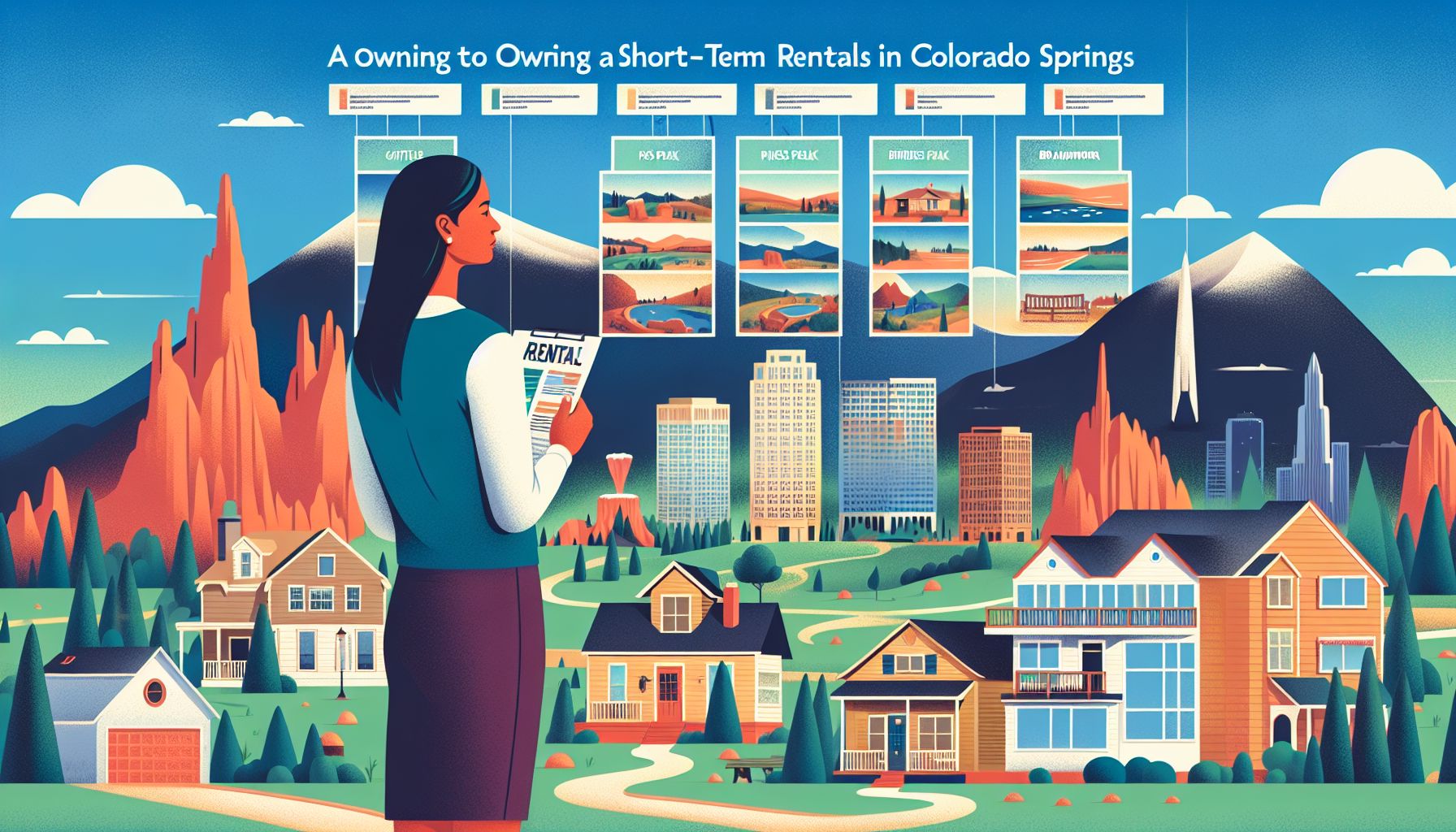
Real estate investment in Colorado Springs has taken on a new dimension with the rising popularity of short-term rentals. The allure of the city, nestled at the foot of the magnificent Rocky Mountains, extends beyond its scenic appeal, offering property investors a chance to capitalize on its burgeoning tourism sector. Before diving headlong into this market segment, it’s critical to weigh the opportunities against the regulatory environment and the unique challenges it presents. This deep-dive aims to equip potential investors with the knowledge necessary to navigate the short-term rental landscape in Colorado Springs aptly.
Introduction to Short Term Rentals in Colorado Springs
The idea of owning a short-term rental in Colorado Springs can be incredibly enticing. With its robust tourism industry, highlighted by over 20 million annual visitors, the city presents a favorable environment for vacation rental investments. Coupled with the military presence and several institutions of higher education, there is a steady influx of visitors year-round. Before embarking on the journey of owning and managing a short-term rental, understanding the market dynamics, regulatory stance, and financial prospects is pivotal for informed decision-making.
Understanding the Market
Analyzing Tourism and Demand
Colorado Springs is not just your average mountain city; it’s a hub of adventure, family vacations, military transitions, and academic visits. Each year, attractions like the Garden of the Gods, Pikes Peak, and the United States Air Force Academy draw tourists in droves. This continuous flow of visitors creates a ripe opportunity for short-term rental owners. However, it’s key to analyze peak seasons and events that drive the highest demand to maximize occupancy rates.
Choosing the Right Location
Location is tantamount to success in short-term rental ownership. Areas proximal to the major tourist attractions or with easy access to the city’s transit system tend to perform well. Neighborhoods like Old Colorado City, Manitou Springs, and Downtown Colorado Springs are hotspots for short-term rentals. However, zoning laws and community bylaws must be considered when selecting the right property, as these can greatly impact the feasibility and profitability of your investment.
Regulatory Environment and Compliance
The Legal Framework
The City of Colorado Springs has laid down a clear set of regulations for short-term rental operations. This includes obtaining a short-term rental permit, paying the requisite license and application fees, and complying with safety and neighborhood ordinance laws. Always stay abreast of the latest regulatory updates, as non-compliance can result in hefty fines and legal troubles.
Taxation and Licenses
Operating a short-term rental in Colorado Springs means playing by the tax rules. Owners are required to collect lodging and sales taxes from their guests, which necessitates a tax license from the city. Regular remittance of these taxes is crucial to keep the rental business above board.
Financial Considerations and Strategies
Evaluating Costs and Revenue
Before keys are handed over to guests, comprehend the cost structure of running a short-term rental. This goes beyond the purchase price of the property, factoring in maintenance, utilities, marketing, and management expenses. Generally, a well-positioned and managed property in Colorado Springs can yield significantly higher income per month compared to traditional long-term rentals.
Pricing Tactics
Effective pricing strategies are vital in optimizing rental income. This entails adjusting rates based on seasonal demand, local events, or even weekly fluctuations. Utilizing dynamic pricing software can take the guesswork out of this process, ensuring your property remains competitively priced at all times.
Professional Management vs. DIY
Managing a short-term rental can be a full-time job. Deciding between self-management or hiring a professional property management company will hinge on the investor’s personal time, expertise, and willingness to engage in hospitality management. Professional managers can relieve the burden, but at a cost to your potential revenue. Weigh the pros and cons before deciding the best route.
Marketing Your Short Term Rental
Crafting the Perfect Listing
A compelling listing is what sets you apart on platforms like Airbnb and VRBO. High-quality photographs, detailed descriptions of the property, and outlining the unique features and amenities of your Colorado Springs rental are essential in attracting guests.
Building a Brand
Developing a memorable brand for your short-term rental amplifies your marketing efforts. Consider creating a dedicated website or social media profile to showcase your property and connect with potential guests.
The Guest Experience
Fostering Positive Reviews
In the short-term rental business, guest reviews are the lifeblood of success. Ensure every guest has a stellar experience by providing clear communication, a clean and well-maintained property, and amenities that meet or exceed their expectations.
Staying Ahead with Technology
Embrace technological advancements that enhance the guest experience. From keyless entry systems to smart thermostats, staying updated with tech trends can greatly improve the functionality and appeal of your rental.
Final Thoughts and Future Outlook
Owning a short-term rental in Colorado Springs can be a wise investment and a gratifying venture if approached with diligence and strategic planning. Despite market fluctuations and evolving regulations, the robust tourism sector underscores the region’s potential for profitable short-term rentals. Take the time to conduct thorough research, stay compliant, and always prioritize the guest experience to ensure a rewarding journey in the world of short-term rental ownership.